- Home
- /
- Our Process
Our Fire Damage Restoration Process
Emberline Restoration follows a rigorous, standards-based methodology to return fire-damaged properties to clean, safe, and structurally sound condition. Because fire damage involves simultaneous destruction from heat, acidic soot, and high volumes of firefighting water, remediation requires a phased, scientific approach. Property owners nationwide can call our 24-hour service line at (831) 298-4645 to begin the restoration process.
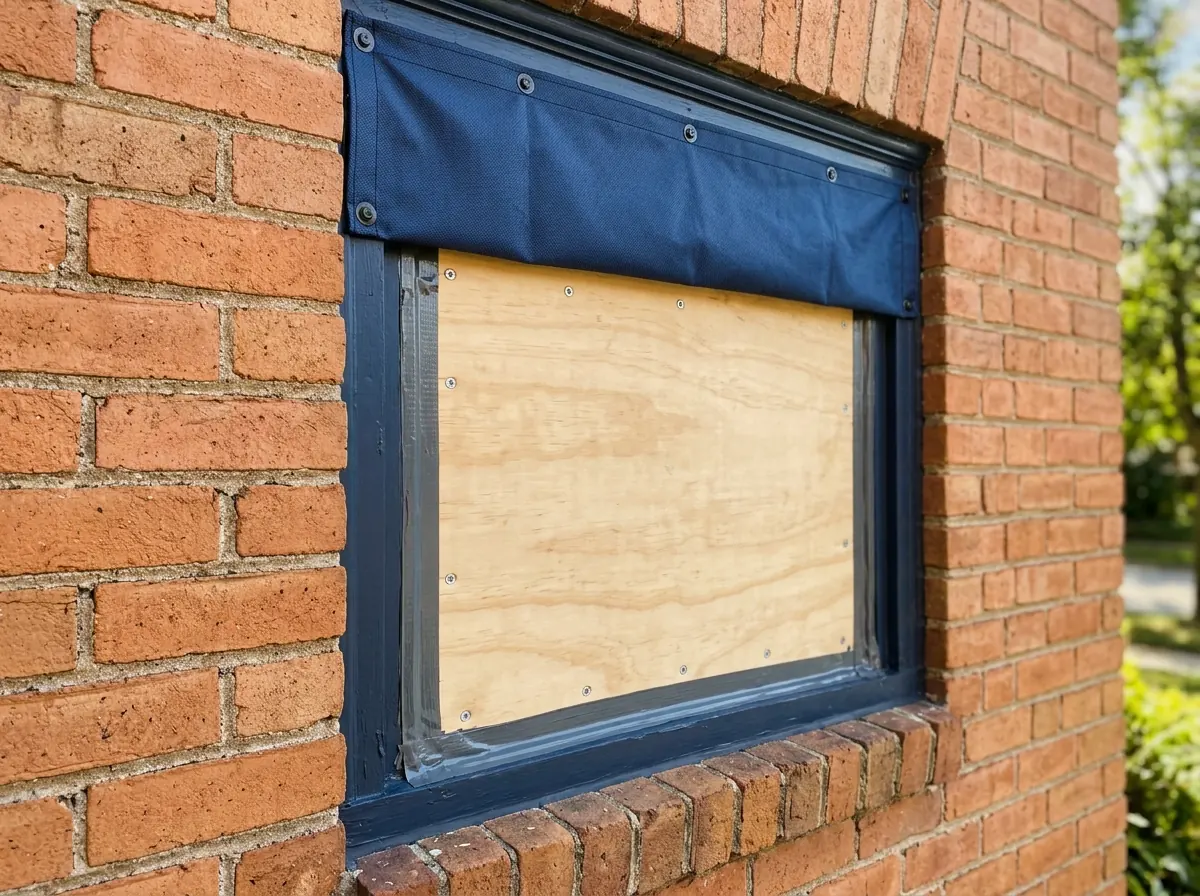
Step 1: Emergency Assessment and Site Stabilization
The first priority on any fire-damaged property is securing life safety and protecting the building from exterior weather exposure and unauthorized entry. Technicians arrive to inspect the perimeter, assess structural integrity, and coordinate essential stabilization measures.
- Window and Door Board-Up: Installing sturdy plywood covers over compromised openings to secure the structure against wind, rain, and trespassing.
- Roof Tarping: Covering damaged roof decking and burnt trusses with heavy-duty weatherproof tarps to prevent secondary water damage from rainfall.
- Utility Verification: Confirming that local utility providers have properly inspected, shut off, or certified electrical, natural gas, and water connections before interior work proceeds.
Step 2: Fire Suppression Water Extraction and Structural Drying
Municipal firefighting operations routinely pump hundreds of gallons of water into burning structures, soaking wall framing, insulation, and subfloors. If this moisture is not eliminated rapidly, structural timbers will rot and mold spores can germinate within 24 to 48 hours.
Standing Water Extraction
Industrial submersible pumps and high-capacity truck-mounted extractors remove standing pools of water from basements, crawlspaces, and main living areas.
Moisture Mapping
Technicians utilize non-invasive moisture meters and thermal imaging cameras to track hidden moisture pockets behind baseboards, beneath tiles, and inside wall cavities.
Commercial Dehumidification
High-capacity low-grain refrigerant (LGR) dehumidifiers and commercial air movers are positioned to create controlled evaporation cycles until structural materials reach baseline moisture content.
Step 3: Soot Removal and Surface Sanitization
Soot is a complex mixture of carbon particulates, acidic gases, and toxic chemicals produced during incomplete combustion. Different types of burning materials produce different soot chemistry, requiring surface-specific cleaning protocols to prevent permanent etching and staining.
- Dry Chemical Sponges: Porous vulcanized latex sponges capture loose, powdery soot from acoustic ceiling tiles, flat paint, and delicate wallpapers without water smearing.
- Specialized Aqueous Cleaners: Controlled enzymatic and alkaline detergents break down oily protein residues left by kitchen grease and melted synthetic furnishings.
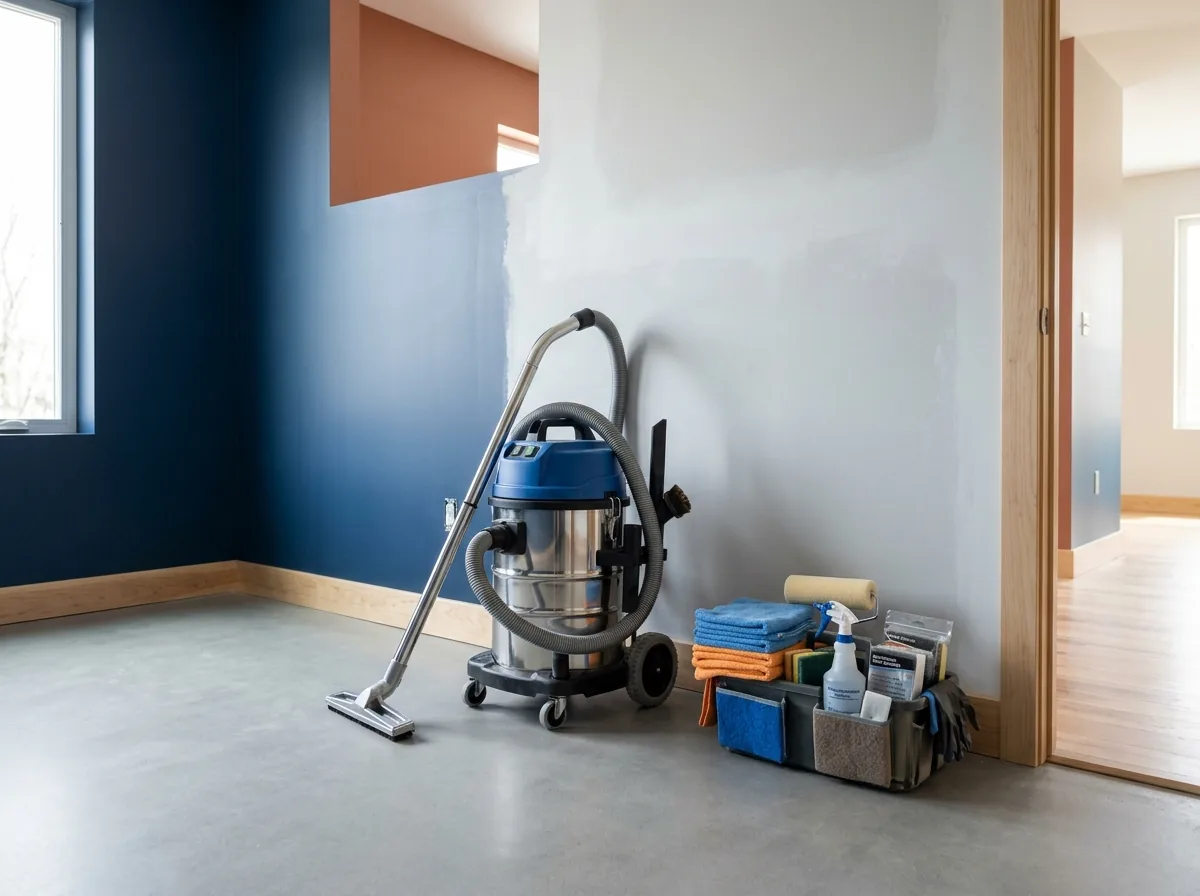
- True HEPA Vacuuming: Industrial vacuums equipped with 99.97% efficient HEPA filters capture microscopic soot particulates down to 0.3 microns, preventing toxic dust from re-circulating into indoor air.
Step 4: Molecular Odor Neutralization
Smoke odors cannot be resolved with surface sprays or masking perfumes because volatile combustion gases penetrate deeply into porous drywall, timber framing, and subflooring. True deodorization requires dismantling odor molecules through advanced oxidation and molecular counteraction.
Hydroxyl Generation
Commercial hydroxyl units use ultraviolet light and atmospheric humidity to neutralize odor-causing compounds safely, allowing continuous operation even when people or contents are present.
Thermal Fogging
Heated solvent-based deodorizers replicate the thermal characteristics of the original smoke, penetrating the same microscopic pores to neutralize trapped odor particles.
HVAC Sanitization
Air handlers, return plenums, and supply trunks are cleaned, vacuumed, and treated to prevent soot from circulating when the central ventilation system is restarted.
Step 5: Contents Assessment and Salvage
Personal possessions, furniture, and family heirlooms require careful categorization to distinguish between salvageable items and those damaged beyond repair. We help property owners document affected belongings and perform specialized off-site or on-site cleaning.
| Item Category | Common Damage Type | Remediation Method |
|---|---|---|
| Hard Furnishings | Acidic soot film, heat blistering | Precision hand cleaning, solvent wiping, wood conditioning |
| Textiles and Clothing | Embedded smoke odor, light soot dusting | Specialized commercial ozone dry cleaning, ultrasonic washing |
| Electronics | Corrosive soot on internal circuit boards | Ultrasonic cleaning, moisture displacement, technical testing |
| Porous Paper and Books | Smoke absorption, moisture exposure | Dry chemical sponging, freeze-drying for waterlogged documents |
Step 6: Final Clearance and Reconstruction Preparation
The final stage of mitigation ensures that all hazardous residues, elevated moisture, and airborne contaminants have been completely removed. Once verified, the property is fully prepared for general contractors to begin structural rebuilds, drywall finishing, and painting.
Moisture Meter Verification
Technicians confirm that framing timbers, concrete foundations, and subfloors have returned to dry equilibrium standards.
Sensory and Air Verification
Detailed inspections verify that acrid smoke odors are neutralized and indoor particulate counts are within normal thresholds.
Antimicrobial Application
All treated surfaces receive an EPA-registered antimicrobial application to inhibit future bacterial or fungal growth.
Begin Your Restoration Today
If your property requires comprehensive fire, smoke, or firefighting water restoration, contact Emberline Restoration at (831) 298-4645. Our national team is available 24 hours a day, 7 days a week to review your situation and arrange an on-site property evaluation.